Choosing between Old Town Greenwood and a newer subdivision is not just about square footage or price. It is about how you want your days to feel, how much character matters to you, and whether you want a more walkable setting or a more planned residential layout. If you are weighing both options in Greenwood, this guide will help you compare how living in each area really differs so you can focus on the fit that makes sense for you. Let’s dive in.
Old Town Greenwood is the city’s historic mixed-use core. City materials describe it as a place where people live, work, shop, dine, and spend time, which gives it a different feel from a neighborhood built mainly for residential use.
The city is also investing in the area around the former Greenwood Middle School and Fieldhouse site. Plans there include apartments, for-sale housing, retail or office space, open space, and streetscape improvements. That tells you Old Town is not standing still. It is evolving while keeping its central, mixed-use identity.
Newer subdivisions in Greenwood tend to be more planned and more residential in design. The city’s 2024 comprehensive plan describes mixed residential development as a blend of housing types within a walkable, connected street network, and recent plan materials show larger projects with internal roads, trails, and shared amenities.
In everyday terms, subdivision living often means a neighborhood that was designed as a complete residential environment from the start. You are more likely to see a consistent street pattern, common areas, and homes built around the same time period.
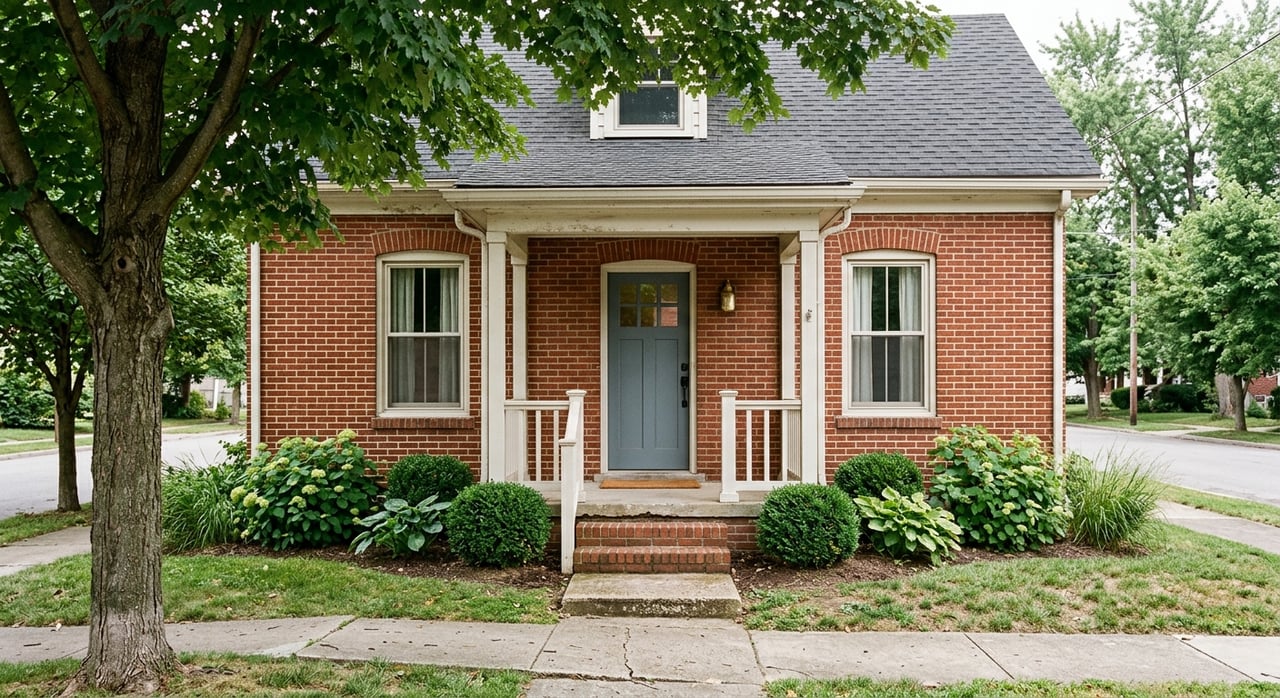
If you like homes with distinct character, Old Town may catch your attention first. City planning language notes that the area includes historic homes along with mixed-use buildings that may have retail or office space on the first floor.
That means the housing mix can change from block to block. One street may feature older homes with established details, while another may include infill housing meant to match the surrounding structures. If you enjoy a less uniform streetscape, Old Town often delivers that.
Subdivision housing in Greenwood usually looks more consistent because the development pattern is newer and more coordinated. City planning documents reference detached homes, rear-load homes, estate homes, patio homes, and townhomes.
Recent proposals also show features such as smaller lots in some areas, internal roads, utility extensions, detention ponds, trails, and amenities like dog parks, pools, playgrounds, and pickleball courts. If you prefer newer construction and a neighborhood with a more predictable look and layout, a subdivision may feel like the easier fit.
Old Town reflects a more traditional development pattern. Because it developed over time, the lots, setbacks, and block patterns can feel less standardized.
That organic layout is part of the appeal for many buyers. It can create a sense of place that feels established rather than freshly built.
In newer Greenwood neighborhoods, lot patterns are often part of a larger design strategy. The city’s mixed-residential guidance allows lots to be accessed from alleys or by street-facing driveways, which supports a more intentional neighborhood layout.
For you, that can mean clearer traffic flow, coordinated infrastructure, and a neighborhood design that was planned as a whole. It can also mean less surprise from one block to the next.
Old Town is the more walkable option based on how the city describes it. With parks, restaurants, retail, offices, civic uses, and trails nearby, daily life can involve shorter trips and more time on foot.
If you like the idea of stepping out for coffee, heading to a local spot, or being near civic activity, Old Town may line up better with your routine. That is one of the biggest lifestyle differences between these two settings.
Subdivisions usually trade some of that proximity for a more residential atmosphere. Greenwood planning materials show that newer development is improving pedestrian safety, trail connections, and access to nearby retail, but these neighborhoods still tend to be more car-oriented than Old Town.
That does not mean disconnected. It means your routine may involve driving more often for errands, dining, or activities outside the neighborhood.
In Old Town, the appeal is often the district itself. The mix of uses, public spaces, and ongoing redevelopment can create a built-in sense of activity.
Instead of relying on neighborhood-specific amenities, you may be choosing access to the broader downtown environment. For some buyers, that feels more flexible and more connected to the city as a whole.
In a newer subdivision, amenities are more likely to be built directly into the neighborhood plan. Recent Greenwood proposals reference shared features such as trails, dog parks, pools, playgrounds, and pickleball courts.
If you want recreation or gathering spaces close to home, that kind of setup can be a big plus. It gives you a more self-contained neighborhood experience.
Greenwood has a dedicated HOA and Architectural Control Committee process for residential subdivisions. The city recognizes these committees for projects like new homes, additions, exterior remodels, detached garages, and accessory buildings, while also noting that it does not enforce subdivision covenants beyond the permit notice step.
In practical terms, subdivision living often comes with more covenant rules and shared maintenance expectations for common areas. Old Town’s city materials focus more on redevelopment, public-space investment, and mixed-use character than on HOA-style governance.
If you want a neighborhood with more formal standards, a subdivision may appeal to you. If you would rather avoid that kind of structure, Old Town may deserve a closer look.
Choosing between Old Town Greenwood and a newer subdivision usually comes down to what you value most in daily life. Neither option is better across the board. They simply deliver different experiences.
Old Town may fit you best if you want:
A subdivision may fit you best if you want:
If you are still unsure, the best next step is to compare both options in person with your daily routine in mind. Think about how often you want to drive, whether neighborhood amenities matter to you, and how much value you place on home style and setting.
It also helps to think long term. Your ideal fit today might be based on convenience and low-maintenance living, or it might be based on character, flexibility, and proximity to the center of Greenwood. The right choice is the one that supports how you actually want to live.
When you are ready to sort through Greenwood neighborhoods with practical, local guidance, connect with Kelly Mclaughlin. You will get direct advice, honest feedback, and help finding the part of Greenwood that fits your goals.
Browse active listings in the area or contact me for market listings.
Have an expert help you find out what your home is really worth.
Buying or selling, flipping or renting—Kelly McLaughlin knows how to spot the right deal, avoid the wrong ones, and guide you with clarity and confidence. With Kelly, you're not just getting an agent. You're getting an experienced investor who’s walked the walk and knows how to make every move count.