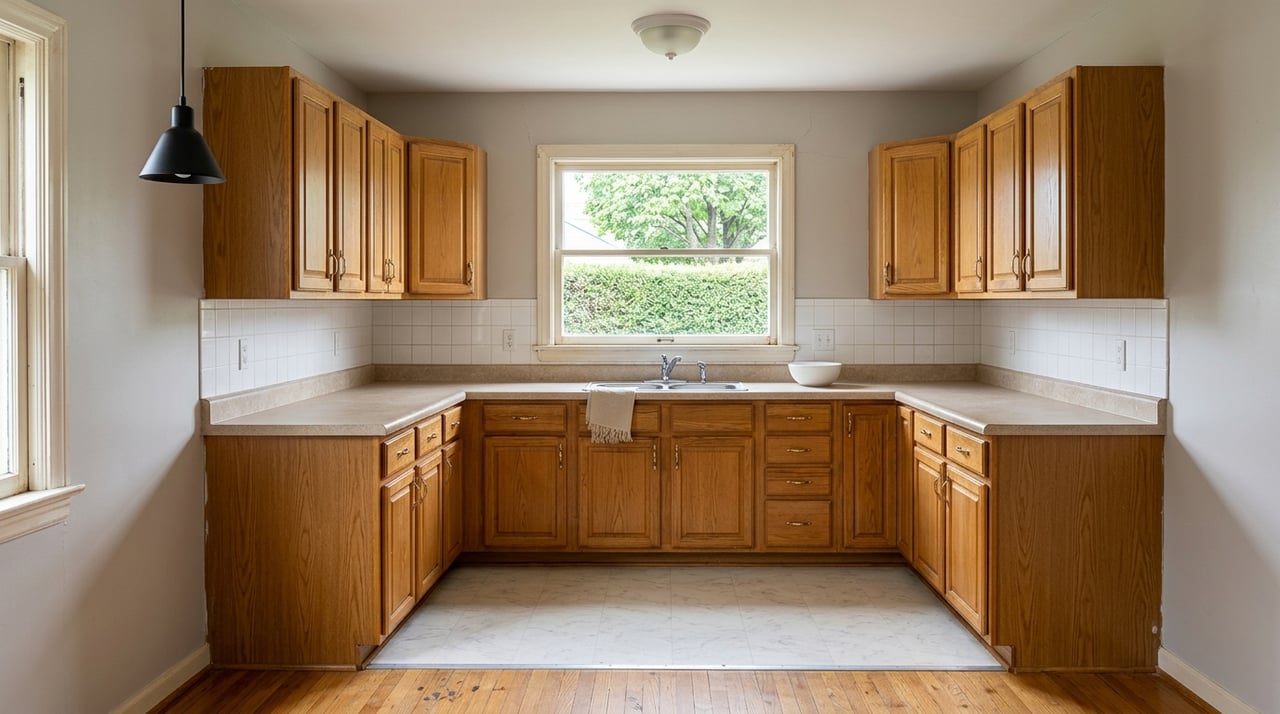
Thinking about buying a fixer-upper in Greenwood? It can be a smart way to get into a location you like, build equity over time, and shape a home to fit your needs. But in a market where homes can still move quickly, a property that needs work is not always a bargain. If you want to buy with confidence, you need to look past the listing photos and understand the numbers, the condition, and the local approval process. Let’s dive in.
If you are hoping a fixer-upper automatically means a low price, Greenwood may surprise you. Recent market snapshots place Greenwood in a fairly tight pricing range, with reported median sale prices around the high $200,000s to low $300,000s, and median days on market ranging from 27 to 37 days.
That matters because many homes are still being priced around location, lot value, and neighborhood demand before condition discounts are fully factored in. In other words, a house with repair needs may still attract attention if it sits in a desirable part of Greenwood.
Redfin reports homes receive about two offers on average, and recent sale-to-list ratios across major market sources range from 97.9% to 100%. For you as a buyer, that means you may not have the luxury of taking weeks to decide whether a project makes sense.
When a fixer-upper hits the market in Greenwood, you need a plan early. Fast-moving listings can make it harder to pause and sort out renovation costs after the fact.
A better approach is to line up your inspection strategy, lender questions, and contractor conversations before you fall in love with a house. That gives you a clearer picture of what you are really buying and what it may cost to make the home work for you.
Greenwood has a meaningful share of older housing stock. The city’s 2024-2028 Consolidated Plan reports that 31% of owner-occupied units were built before 1980, with another 26% built from 1950 to 1979. It also notes selected housing condition issues that can include structural, electrical, plumbing, and related rehab categories.
For buyers, that means many fixer-uppers may come with systems or materials that are simply older, even if the home looks fine at first glance. Age alone does not make a house a bad buy, but it should push you to inspect carefully and budget realistically.
A useful first pass is to focus on four major areas:
These categories often shape both your renovation budget and your move-in timeline. Cosmetic updates are easier to plan around. Major system issues can change the whole deal.
Central Indiana weather makes moisture control a real concern. With roughly 43.63 inches of annual precipitation and 25.5 inches of annual snowfall reported at a nearby Indianapolis NOAA station, roofs, gutters, drainage, and exterior water management deserve close attention.
If a home has sagging gutters, grading issues, signs of past water intrusion, or worn roofing materials, those items should move up your priority list. On an older home, small drainage problems can lead to bigger repair bills over time.
If you are considering a home built before 1978, lead-based paint should be part of your planning. Older homes are more likely to contain lead-based paint, and repair or renovation work can create hazardous dust if those materials are disturbed.
This does not mean you should avoid every older home. It does mean you should factor lead-safe evaluation and renovation practices into your budget before sanding, replacing windows, or opening walls.
One of the biggest fixer-upper mistakes is focusing only on the asking price. Your real cost is the combination of purchase price, closing costs, known repairs, and the surprises that show up after inspections or during construction.
A practical budget should include:
That last point matters more than many buyers realize. If the home needs more work than expected, cash reserves can protect you from turning a manageable project into a stressful one.
If you do not want to pay for all repairs out of pocket, renovation financing may be worth exploring. HUD’s 203(k) program insures mortgages that combine the purchase or refinance with rehab costs for homes that are at least one year old, with funds held in escrow and released as work is completed.
Fannie Mae’s HomeStyle Renovation loan is another option that allows borrowers to finance repairs, remodeling, renovations, or energy improvements in the loan amount. For some buyers, these products can reduce the amount of cash needed at closing and create a more workable path to buying a home that needs updates.
The key is to ask financing questions early. Not every property condition issue fits every loan program, and your lender timeline needs to match the project scope.
A fixer-upper budget is only half the story. The local approval process can affect cost, timing, and what kind of work you can start right away.
In Greenwood, the Building Commissioner handles permits, inspections, and building code questions, and plan reviews and inspections are completed under current State of Indiana approved codes. The city also provides a residential building permit application for additions and remodels.
For common projects, Greenwood’s rules are fairly practical. Same-size window replacement is usually exempt, and like-for-like HVAC replacement is usually exempt unless ductwork or electrical changes are involved.
Permits are more likely when work affects structure, roofing, electrical systems, decks, pergolas, gazebos, sheds, or the size of the building. If your project changes the home’s shell or systems, assume you need to ask questions before work starts.
If the project includes additions, decks, sheds, fences, grading, or anything that affects drainage or easements, separate stormwater, land-alteration, or easement-related approvals may be required. That is one reason exterior work often takes more coordination than a simple interior refresh.
Roofing is another example. Greenwood notes that roof work removing 25% or more of the decking needs a permit. That type of detail can affect both your schedule and your contractor bids.
Permits are not just paperwork. Greenwood states that construction must begin within 45 days of permit issuance, and long inactivity periods can lead to permit revocation.
That means your lender draws, contractor schedule, and material lead times should be mapped out early. If you buy a home needing immediate work, timing gaps can create avoidable headaches.
For older Greenwood homes, condition checks should go beyond what you can see during a showing. The Johnson County Health Department offers free indoor air quality information and testing for mold, radon, formaldehyde, and other gases.
That makes radon a sensible due-diligence item before or soon after closing, especially if you are buying an older home. Combined with lead-safe planning for pre-1978 homes, these checks can help you spot issues that may affect both your renovation plan and your future comfort in the home.
Not every buyer is a good fit for a fixer-upper, even when the price looks appealing. In Greenwood, the best fit is often a buyer who can handle one or two manageable problem areas, has stable cash reserves, and has enough flexibility to deal with permits, inspections, and contractor delays.
The toughest projects are usually the ones that stack major issues all at once. If a home needs structural work, electrical updates, plumbing repairs, lead-safe remediation planning, and drainage correction at the same time, the project can become much heavier than a typical retail buyer expects.
A fixer-upper can still be a great opportunity if you buy the right house at the right terms with a realistic plan. The goal is not to avoid homes that need work. The goal is to understand the work clearly before you commit.
If you are weighing fixer-upper options in Greenwood, local guidance can save you time, money, and second-guessing. Kelly Mclaughlin can help you evaluate value, spot red flags early, and decide whether a project fits your budget and goals.
Browse active listings in the area or contact me for market listings.
Have an expert help you find out what your home is really worth.
Buying or selling, flipping or renting—Kelly McLaughlin knows how to spot the right deal, avoid the wrong ones, and guide you with clarity and confidence. With Kelly, you're not just getting an agent. You're getting an experienced investor who’s walked the walk and knows how to make every move count.